
You must be a corporate member to view prices and place orders.
Product Description
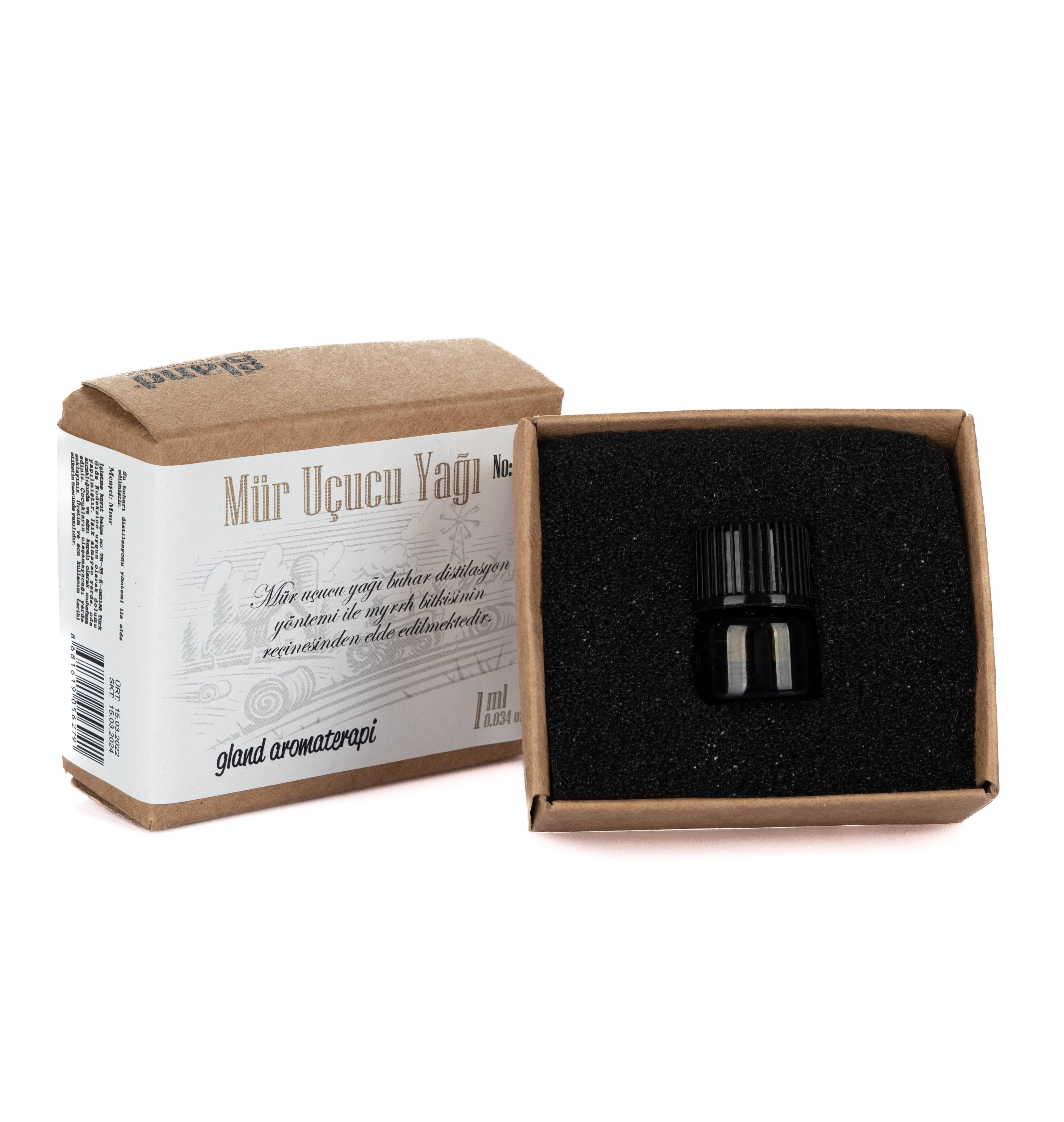
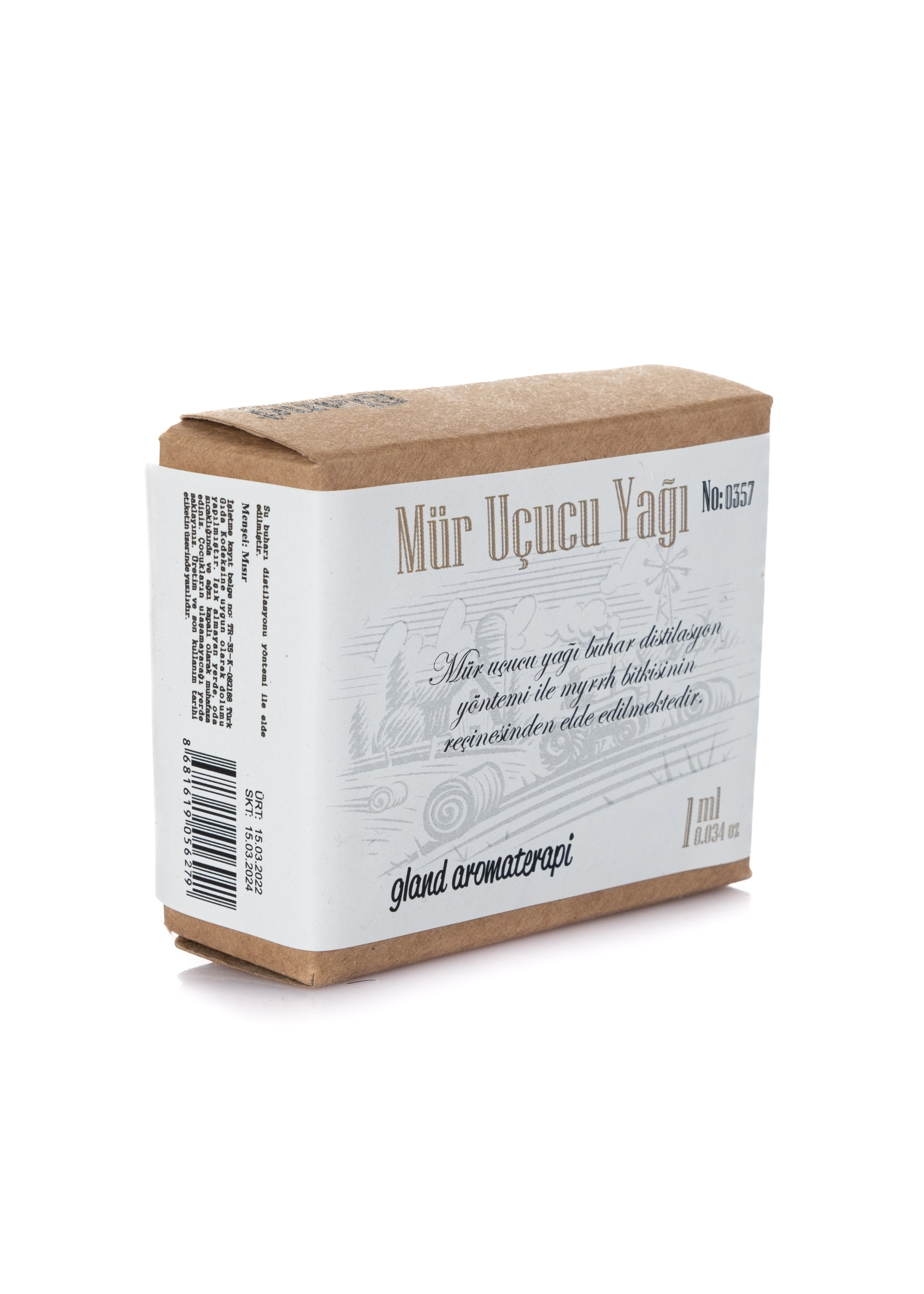
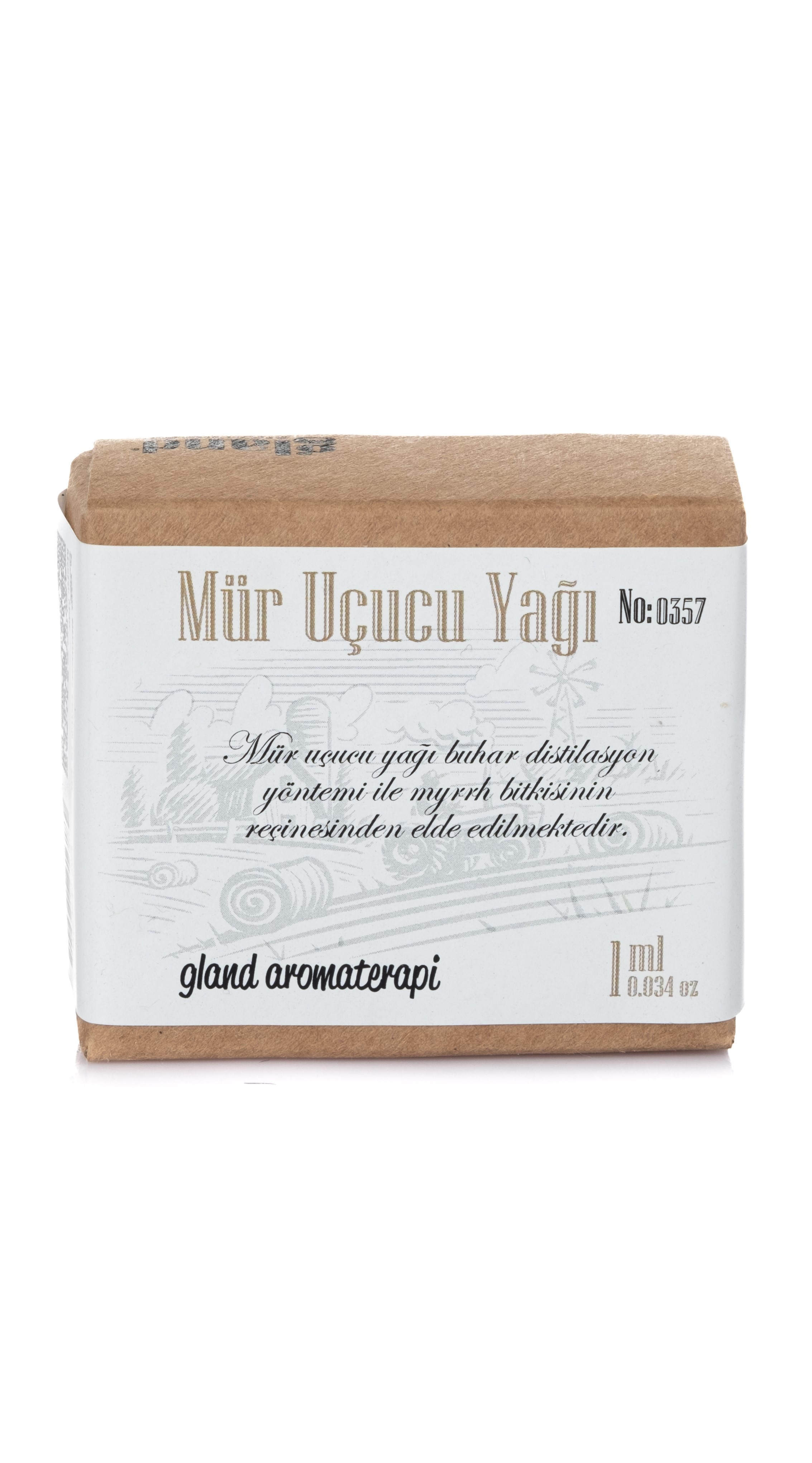
Myrrh (Commiphora spp.), particularly species such as Commiphora myrrha, Commiphora wightii, and Commiphora africana, is a resin-producing plant. The aromatic oil obtained from this resin is known as myrrh essential oil. Myrrh oil is typically produced through steam distillation or solvent extraction. It is characterized by a deep, woody, and slightly sweet aroma and has been widely used for centuries in perfumery, traditional medicine, and therapeutic applications.
Chemical Constituents & Therapeutic Properties
The therapeutic properties of myrrh essential oil arise from its rich chemical composition, which includes:
Farnesol: Exhibits antibacterial and antifungal properties.
Limonene: Known for its anti-inflammatory and antiseptic effects.
Sesquiterpenes (such as β-caryophyllene): Provide anti-inflammatory and analgesic benefits.
Cuminaldehyde: Possesses antimicrobial and antioxidant properties.
Uses of Myrrh Essential Oil in Aromatherapy
Aromatherapy is a holistic practice that supports physical and emotional well-being through the use of aromatic plant extracts. Myrrh essential oil may be used in the following ways:
1. Inhalation
Diffusers: When dispersed into the air via a diffuser, myrrh oil may promote relaxation, reduce stress, and create a calming, meditative atmosphere.
Steam Inhalation: Adding a few drops of myrrh oil to hot water for steam inhalation may help ease symptoms of respiratory infections and support immune function.
2. Topical Applications
Massage Oil: When diluted with an appropriate carrier oil, myrrh oil can be applied through massage to help relieve muscle pain, rheumatic discomfort, and skin inflammation. Its anti-inflammatory and soothing properties support localized relief.
Skin Care: Myrrh oil may be blended with carrier oils for skincare applications. It supports skin regeneration, accelerates wound healing, and helps protect against skin infections.
3. Bath Use
Adding a few drops of myrrh oil to warm bath water may help relax the body, ease muscle tension, and reduce stress.
Scientific Research
Scientific studies support the therapeutic benefits of myrrh essential oil:
Anti-Inflammatory and Antimicrobial Effects: Myrrh oil has demonstrated activity against various bacterial and fungal pathogens. Research suggests its anti-inflammatory properties are particularly beneficial for skin and respiratory conditions (Mahmoudi et al., 2007).
Skin Health and Wound Healing: Myrrh oil supports skin cell regeneration and accelerates wound healing, offering protective effects against skin infections (Perry et al., 1999).
Emotional and Psychological Effects: Aromatherapeutic use of myrrh oil has been associated with emotional grounding, mental relaxation, and the promotion of meditative states, making it especially suitable for stress management and meditation practices (Harris et al., 2007).
Myrrh essential oil is a highly valued aromatherapy ingredient with a long history of use in both traditional and modern practices. Scientific evidence supports its broad range of therapeutic properties and confirms its general safety when used appropriately. As with all essential oils, myrrh oil should be used with care, properly diluted for topical applications, and patch-tested prior to use to minimize the risk of allergic reactions. Consulting a qualified aromatherapy professional is always recommended for safe and effective use.